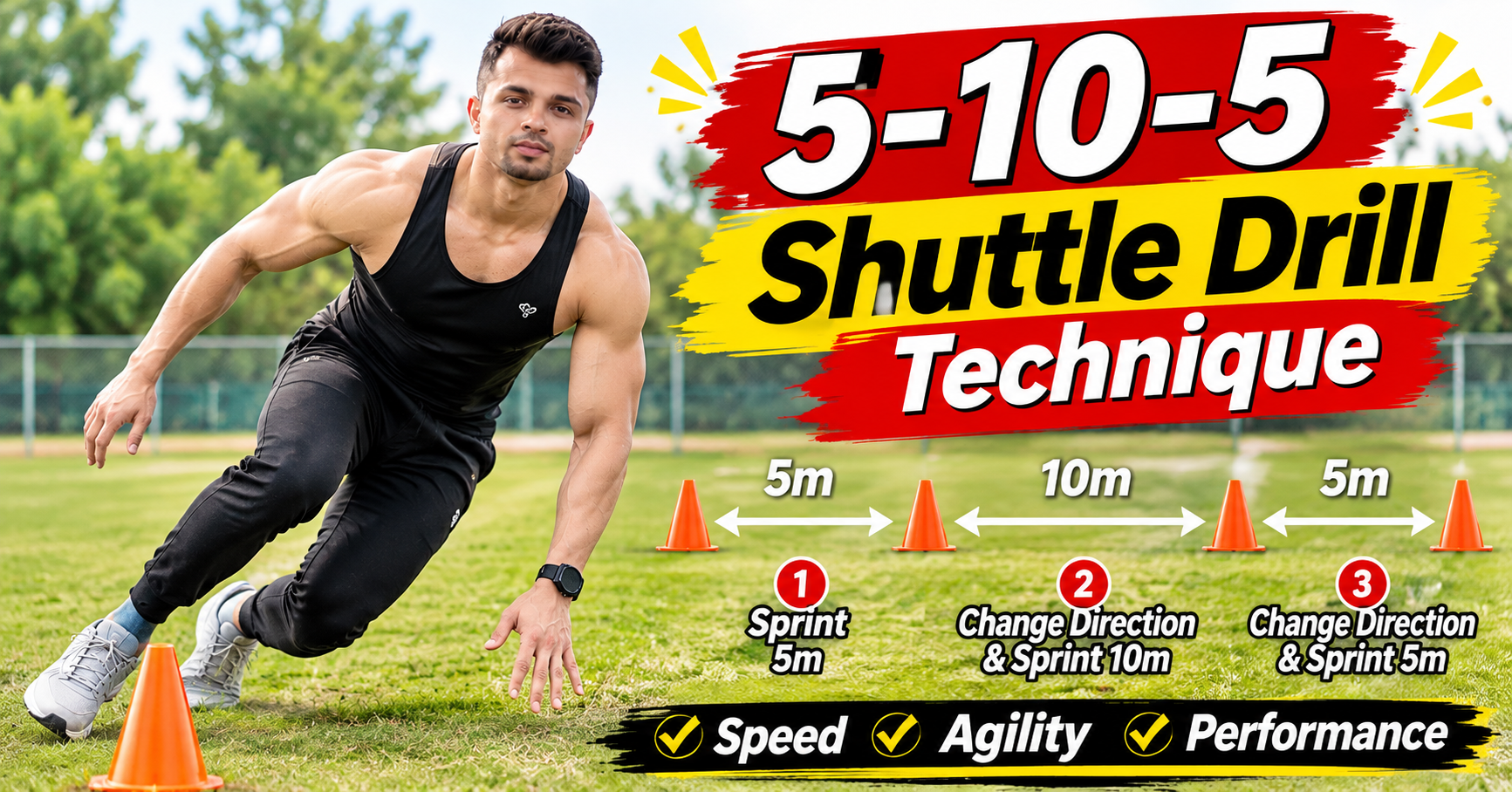
Quick answer: Beginner agility drills can use lateral shuffles, short closeout approaches and controlled pivots.
Basketball involves accelerations, short repeated runs, stops, lateral shuffles, jumping and recovery between bursts. Full-court conditioning can complement skill sessions, but continuous maximal sprints are not a complete fitness program. Surface, shoe grip, practice schedule and athlete background determine what can be trained safely.
Choose a starting approach that fits: basketball conditioning and movement
Planned movements build mechanics, but game agility also involves reading opponents and reacting to cues Train the footwork first, then add decisions when players can control speed.
Start with easy jogging or walking, movement preparation and controlled stop-and-go patterns. Learn deceleration and landing quality before fast shuffles or explosive repeated jumps. Use court lines as landmarks when available, but reduce distance and speed for new or returning players.
Make the method practical
Beginner agility drills can use lateral shuffles, short closeout approaches and controlled pivots. Planned movements build mechanics, but game agility also involves reading opponents and reacting to cues. Train the footwork first, then add decisions when players can control speed.
Tools you can use to apply the principle
| Option | How to use it | Purpose |
|---|---|---|
| Baseline-to-baseline tempo | Move between court ends at an appropriate steady pace with recovery. | Builds intermittent conditioning capacity. |
| Lateral shuffle to stop | Shuffle a short distance and brake under control without crossing feet when not intended. | Practices defensive movement. |
| Drop-step recovery | Turn and move a few steps back to a defensive position. | Adds position-specific transitions. |
| Short acceleration intervals | Sprint a modest court segment with full enough recovery to preserve technique. | Builds acceleration quality. |
| Goblet squat or split squat | Train controlled leg strength through a comfortable range. | Supports force production for court actions. |
A practical six-step checklist
- Identify the task: Choose a practical reason to work on basketball conditioning and movement: comfort, skill, sport readiness, or a repeatable assessment. Specify what will improve and what should remain comfortable.
- Record your starting point: Try the easiest suitable variation briefly before the main work. Record comparable court drill times, ability to repeat efforts, perceived exertion and recovery after practice. Include game minutes and existing training load. This initial check helps prevent using an outdated maximum as a warm-up.
- Choose the main task: Begin with lateral shuffle to stop when it suits the purpose. Shuffle a short distance and brake under control without crossing feet when not intended. The task is selected for its training role, not to make a session seem more advanced.
- Add a supporting component: A complementary choice is short acceleration intervals. Builds acceleration quality. Keep the workload modest while learning whether the combination is useful.
- Make difficulty measurable: Record comparable court drill times, ability to repeat efforts, perceived exertion and recovery after practice. Include game minutes and existing training load. Changing the standard during a workout can produce misleading comparisons.
- Review and adjust: Build easy conditioning tolerance before repeatedly extending hard shuttle sets; add speed or volume separately. Compare like-for-like efforts and note whether the exercise is more useful in everyday tasks or sport.
Worked example from an ordinary week
Sprint intervals for basketball should distinguish speed from fatigue tolerance. A few sharp accelerations with long rest develop high-quality movement; repeated shorter rests develop a different quality. Begin with controlled distances and avoid turning every workout into an exhaustion test.
One-session decision table
| Check | If it is working | If it is not |
|---|---|---|
| Preparation | The starting movement feels familiar and controlled. | Use an easier preparation set, shorter duration, or a demonstration. |
| Main effort | The planned work is challenging but repeatable. | Reduce weight, duration, speed, or set count before technique slips. |
| Recovery | The next planned session remains manageable. | Move the session, lower fatigue, or repeat the previous workload. |
| Tracking | The metric and movement standard match last time. | Document the change and establish a new comparison baseline. |
A practical session you can adapt
For basketball agility drills for beginners, try lateral shuffle to stop as a first practice option. Shuffle a short distance and brake under control without crossing feet when not intended. The purpose is clear: practices defensive movement. Keep the session manageable and observe technique. If this is unsuitable, another choice is drop-step recovery. Turn and move a few steps back to a defensive position. Note that different exercises are not equivalent measurements of progress.
Compare today with a similar session. Record comparable court drill times, ability to repeat efforts, perceived exertion and recovery after practice. Include game minutes and existing training load. If a movement is uncomfortable, simplify it. Repeating a well-controlled setup provides better information than adding intensity merely to make the session feel difficult.
Build on the current workload
Build easy conditioning tolerance before repeatedly extending hard shuttle sets; add speed or volume separately.
Five problems worth correcting
- Using maximal shuffles before learning to stop: Practice controlled braking first. Check whether the setup, resistance, or session order makes the problem more likely.
- Adding conditioning after every intense practice: Monitor total leg fatigue. Try one correction and repeat the task before adding another cue.
- Counting every court drill as agility: Include reactive decisions and skill context. Record the adjustment so the next session remains comparable.
- Ignoring landing sound and control: Reduce jump volume when mechanics deteriorate. If the problem persists despite a simpler variation, seek informed coaching.
- Comparing stamina by one all-out drill: Track multiple sessions and match context. Ask whether the error alters the intended movement or only the appearance of difficulty.
Alternatives for different training backgrounds
Basketball conditioning can combine court running, defensive movement and strength instead of just suicide sprints. Begin with manageable lengths and good stops. Coaches should consider how much running already occurs in skill practices before adding extra high-intensity intervals.
How to review results over time
Record comparable court drill times, ability to repeat efforts, perceived exertion and recovery after practice. Include game minutes and existing training load.
Evidence and limits of the advice
World Rugby and NSCA coaching resources emphasize specificity, progression, warm-up, recovery and landing or deceleration control in athletic conditioning. They provide transferable training principles, not basketball-specific or football-specific guarantees. Team workload, athlete background and surface safety must inform programming.
Knee or ankle pain, recent concussion, medical symptoms and return from injury require individualized clearance and progression.
This guide is educational rather than a diagnosis. Stop an activity that causes sharp pain, fainting, chest pressure or other concerning symptoms and seek appropriate medical support. Individual health conditions or recent injury may require a tailored plan.
Related training decisions
To continue learning without repeating the same topic, compare Strength and Conditioning Plan for Basketball with How to Improve Stamina for Basketball. The linked topics answer adjacent questions and help you decide which training detail to work on next.
Research and further reading
Frequently asked questions
How can I get started with basketball agility drills for beginners?
Beginner agility drills can use lateral shuffles, short closeout approaches and controlled pivots. Knee or ankle pain, recent concussion, medical symptoms and return from injury require individualized clearance and progression.