Quick answer: Strength for football often includes a squat or lunge, hip hinge, calf work and trunk control.
Football fitness combines aerobic capacity, repeated running efforts, acceleration, deceleration, change of direction, lower-body strength and technical skill. Match demands vary by position and level, so conditioning should reflect the player rather than one universal sprint prescription. A reasonable training week leaves room for practices, matches and recovery instead of simply adding hard runs.
What to decide before changing your routine: football fitness and match conditioning
The exact exercise matters less than sound technique and gradual progression Heavy lifting immediately before a match may impair readiness; adjust weekly workload around team practices and games.
Build a foundation of comfortable movement and strength before high-speed change-of-direction work. Use a field with safe footing, a progressive warm-up and clear distances. Keep fast sprints short enough that technique remains stable, and allow more recovery for true speed practice than for general conditioning.
Make the method practical
Strength for football often includes a squat or lunge, hip hinge, calf work and trunk control. The exact exercise matters less than sound technique and gradual progression. Heavy lifting immediately before a match may impair readiness; adjust weekly workload around team practices and games.
Useful options beyond the main method
| Option | How to use it | Purpose |
|---|---|---|
| Tempo runs | Alternate comfortable running with short walks or slower jogs. | Develops manageable aerobic endurance. |
| Acceleration strides | Run short progressive strides with long enough rest for quality. | Trains first-step speed mechanics. |
| Deceleration-and-cut drill | Approach a cone slowly, shorten steps and change direction under control. | Trains braking before sharper turns. |
| Split squat | Lower through a comfortable single-leg range with support as needed. | Builds unilateral leg strength. |
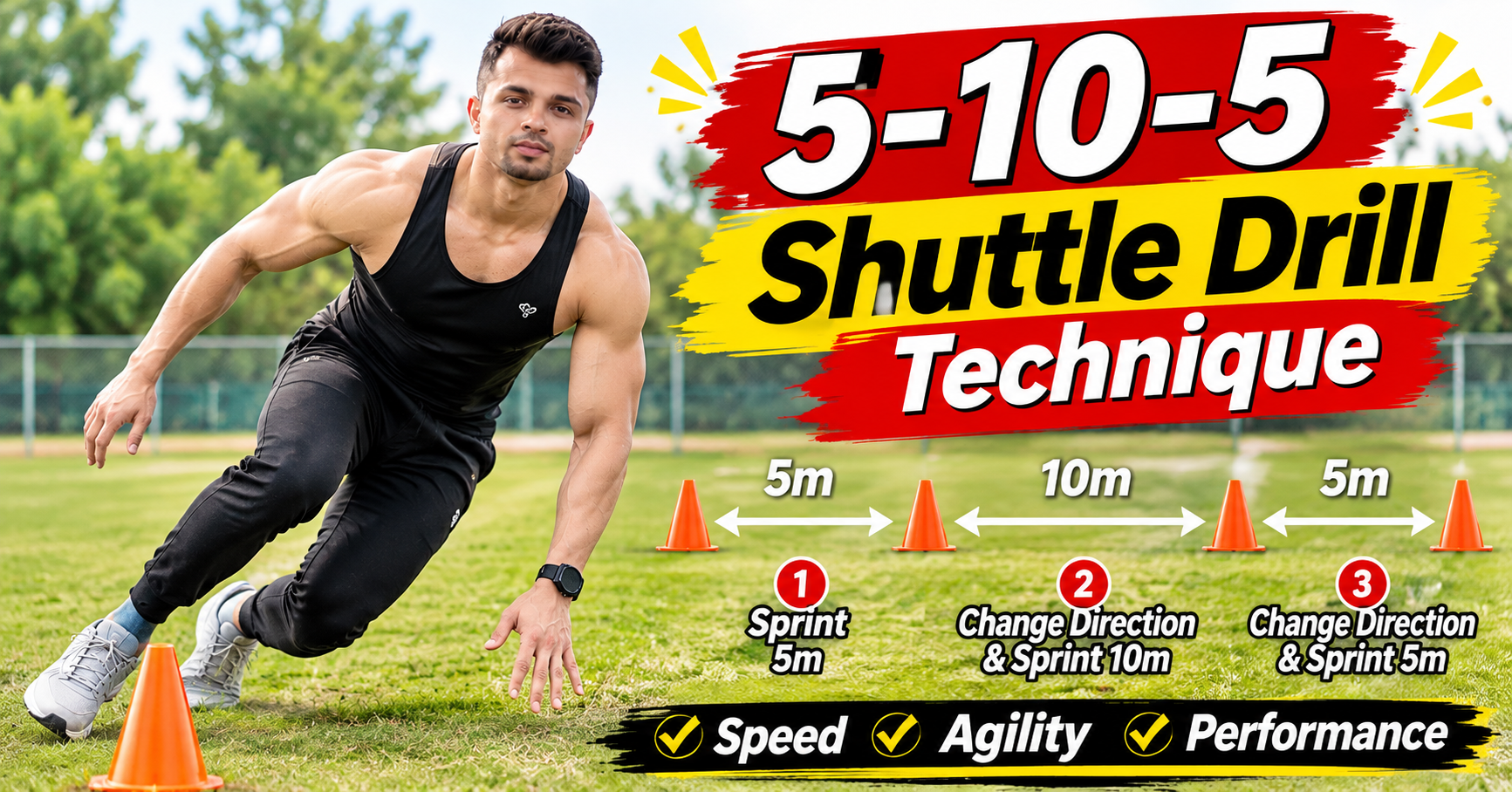
| Short shuttle repetitions | Cover measured out-and-back distances at appropriate speeds. | Practices repeat running without a ball. |
A step-by-step way to evaluate progress
- Identify the task: Choose a practical reason to work on football fitness and match conditioning: comfort, skill, sport readiness, or a repeatable assessment. Specify what will improve and what should remain comfortable.
- Record your starting point: Try the easiest suitable variation briefly before the main work. Track session duration, repeated sprint quality, general fatigue, perceived exertion and match workload. Time comparable drill distances under the same conditions if useful. This initial check helps prevent using an outdated maximum as a warm-up.
- Choose the main task: Begin with short shuttle repetitions when it suits the purpose. Cover measured out-and-back distances at appropriate speeds. The task is selected for its training role, not to make a session seem more advanced.
- Add a supporting component: A complementary choice is acceleration strides. Trains first-step speed mechanics. Keep the workload modest while learning whether the combination is useful.
- Make difficulty measurable: Track session duration, repeated sprint quality, general fatigue, perceived exertion and match workload. Time comparable drill distances under the same conditions if useful. Changing the standard during a workout can produce misleading comparisons.
- Review and adjust: Increase one element of running exposure at a time and prioritize stable mechanics before higher cutting speeds. Compare like-for-like efforts and note whether the exercise is more useful in everyday tasks or sport.
An example of decision-making in practice
A preseason plan can begin with general aerobic and strength work before adding more repeated high-speed runs. As matches approach, reduce unnecessary fitness volume and emphasize relevant game movements. If the player has had a long break, copying last season's peak training immediately raises needless risk.
One-session decision table
| Check | If it is working | If it is not |
|---|---|---|
| Preparation | The starting movement feels familiar and controlled. | Use an easier preparation set, shorter duration, or a demonstration. |
| Main effort | The planned work is challenging but repeatable. | Reduce weight, duration, speed, or set count before technique slips. |
| Recovery | The next planned session remains manageable. | Move the session, lower fatigue, or repeat the previous workload. |
| Tracking | The metric and movement standard match last time. | Document the change and establish a new comparison baseline. |
A practical session you can adapt
For strength training for football players, try short shuttle repetitions as a first practice option. Cover measured out-and-back distances at appropriate speeds. The purpose is clear: practices repeat running without a ball. Keep the session manageable and observe technique. If this is unsuitable, another choice is tempo runs. Alternate comfortable running with short walks or slower jogs. Note that different exercises are not equivalent measurements of progress.
Compare today with a similar session. Track session duration, repeated sprint quality, general fatigue, perceived exertion and match workload. Time comparable drill distances under the same conditions if useful. If a movement is uncomfortable, simplify it. Repeating a well-controlled setup provides better information than adding intensity merely to make the session feel difficult.
Use repeatable progress, not pressure
Increase one element of running exposure at a time and prioritize stable mechanics before higher cutting speeds.
How to recognize and correct mistakes
- Running every conditioning drill at full speed: Separate easy endurance from quality sprint sessions. If the problem persists despite a simpler variation, seek informed coaching.
- Ignoring recovery after matches: Reduce hard training when players remain fatigued. Ask whether the error alters the intended movement or only the appearance of difficulty.
- Cutting on slippery surfaces: Check traction and decrease speed if footing is uncertain. Check whether the setup, resistance, or session order makes the problem more likely.
- Assuming identical positions need identical plans: Tailor workload to playing demands. Try one correction and repeat the task before adding another cue.
- Treating cone drills as complete football skill: Include actual decisions and ball practice elsewhere. Record the adjustment so the next session remains comparable.
Making the method fit real life
Endurance without a ball can come from comfortable running, run-walk intervals or longer tempo work, but pure long-distance running does not fully reproduce football's intermittent demands. Add short accelerations and breaks when the base is ready. Use the talk test on easier aerobic days instead of timing every run as a race.
Simple measures and meaningful comparisons
Track session duration, repeated sprint quality, general fatigue, perceived exertion and match workload. Time comparable drill distances under the same conditions if useful.
What science can and cannot tell you
World Rugby and NSCA coaching resources emphasize specificity, progression, warm-up, recovery and landing or deceleration control in athletic conditioning. They provide transferable training principles, not basketball-specific or football-specific guarantees. Team workload, athlete background and surface safety must inform programming.
Previous hamstring, knee or ankle injury, illness or symptoms during sprinting call for sport-specific medical or coaching guidance.
This guide is educational rather than a diagnosis. Stop an activity that causes sharp pain, fainting, chest pressure or other concerning symptoms and seek appropriate medical support. Individual health conditions or recent injury may require a tailored plan.
Building on this topic
To continue learning without repeating the same topic, compare Football Conditioning Drills for Players with Football Speed and Agility Workout. The linked topics answer adjacent questions and help you decide which training detail to work on next.
Research and further reading
Frequently asked questions
How can I get started with strength training for football players?
Strength for football often includes a squat or lunge, hip hinge, calf work and trunk control. Previous hamstring, knee or ankle injury, illness or symptoms during sprinting call for sport-specific medical or coaching guidance.