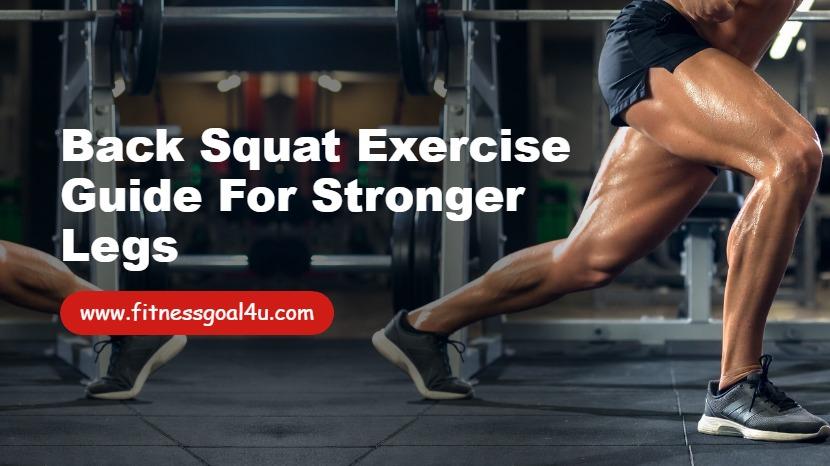
The Back Squat is a fundamental lower-body strength exercise performed by placing a barbell across the upper back and squatting down by bending the hips and knees. It is widely considered one of the most effective compound movements for building leg strength, muscle mass, and overall power.
How to Perform the Back Squat (Step-by-Step Technique)
1. Setup Position
Begin by positioning the barbell on a squat rack at upper chest height. Step under the bar and place it securely on your upper traps or rear deltoids, depending on your squat style.
- Grip the bar slightly wider than shoulder-width
- Keep your chest lifted and core braced
- Feet shoulder-width apart with toes slightly outward
2. Descent Phase
Unrack the bar and take a controlled step back. Initiate the squat by pushing your hips backward while bending your knees.
- Lower your body until thighs are parallel or below parallel
- Maintain a neutral spine throughout the movement
- Keep knees tracking in line with toes
3. Ascent Phase
Drive upward by pressing through your heels and mid-foot while engaging your legs and glutes.
- Extend hips and knees simultaneously
- Exhale as you rise to the standing position
- Maintain core tension until fully upright
Why the Back Squat Is Important (Benefits)
The Back Squat delivers comprehensive strength and performance benefits by targeting multiple muscle groups at once.
- Builds powerful quadriceps, hamstrings, and glutes
- Enhances core strength and spinal stability
- Improves athletic performance and mobility
- Boosts hormonal response for muscle growth
- Supports functional movement and daily activities
Recommended Sets and Repetitions
The ideal number of sets and reps depends on your training goal and experience level.
| Goal | Sets | Reps |
|---|---|---|
| Muscle Growth | 3–5 | 8–12 |
| Strength | 4–6 | 3–6 |
| Endurance | 2–4 | 12–15 |
FAQ ( Frequently Asked Questions)
1. Is the back squat safe for beginners?
Answer: Yes, the back squat is safe for beginners when performed with proper form, light weights, and gradual progression.
2. Should I squat below parallel?
Answer: Squatting below parallel can increase muscle activation, but only if you have adequate mobility and maintain proper form.
3. How often should I do back squats?
Answer: Most lifters benefit from performing back squats 1–3 times per week, depending on recovery and training intensity.
4. What muscles does the back squat work?
Answer: The back squat primarily targets the quadriceps, glutes, hamstrings, and core, with secondary involvement of the lower back.
5. Can back squats help with fat loss?
Answer: Yes, back squats burn significant calories and increase metabolic demand, making them effective for fat loss when combined with proper nutrition.