
Content Overview
- Upper Chest Workouts
- Middle Chest Workouts
- Lower Chest Workouts
- Inner Chest Workouts
- Outer Chest Workouts
- Compound Chest Workouts
- Isolation Chest Workouts
- Bodyweight Chest Workouts
- Dumbbell Chest Workouts
- Barbell Chest Workouts
- Cable Chest Workouts
- Machine Chest Workouts
- Strength Chest Workouts
- Hypertrophy Chest Workouts
- Functional Chest Workouts
- Sample Full Chest Day Routine
- Common Mistakes to Avoid
- Final Tips for Success
- FAQs
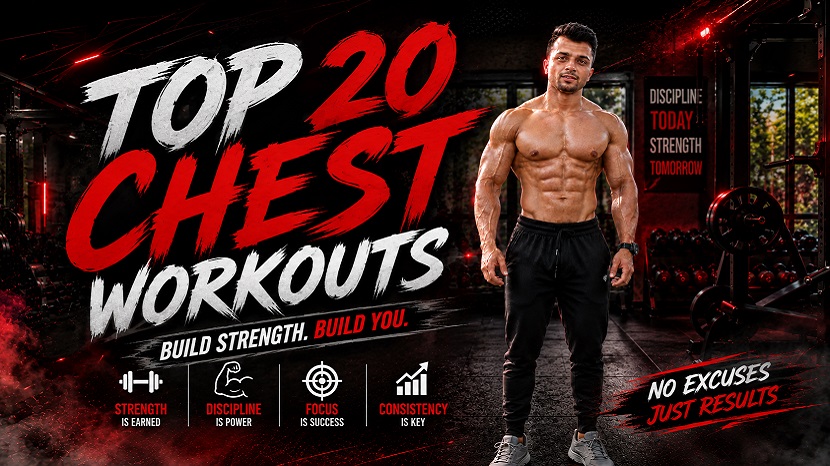
Chest workouts are a cornerstone of any effective strength training or bodybuilding program. Whether you're chasing aesthetics, functional power, or raw strength, a well-rounded chest routine targets the pectoralis major (and minor) from multiple angles for balanced development, improved posture, and upper-body pushing power.
Why focus on chest workouts? Strong pecs enhance pressing power (bench press PRs, anyone?), support shoulder stability, and create that coveted "shelf" look. Research-backed training emphasizes progressive overload, proper form, and variety to maximize hypertrophy while minimizing injury risk.
Chest Anatomy Quick Primer (for E-E-A-T Authority):
The pectoralis major is fan-shaped with two main heads:
- Clavicular head (upper chest) – best hit with incline angles (15–30°).
- Sternal head (middle/lower chest) – dominant in flat and decline moves.
Inner chest benefits from adduction (squeezing hands together); outer chest from stretch and wide grips.
Always warm up with 5–10 minutes of light cardio + dynamic stretches, prioritize form over ego-lifting, and consult a doctor or certified trainer before starting. Nutrition (protein surplus) and recovery (7–9 hours sleep) are non-negotiable for results.
Below is your complete, SEO-optimized chest workout blueprint covering every angle and style.
1. Upper Chest Workouts
The upper chest (clavicular head) gives the "upper pec shelf" that makes your chest pop in a tank top. Use 15–45° incline angles for optimal activation.
Top Exercises
- Incline Barbell Bench Press: 3–4 sets of 6–10 reps.
- Incline Dumbbell Press
- Low-to-High Cable Fly: 3 sets of 10–15 reps.
- Incline Dumbbell Squeeze Press
Warm-up: 5-10 min light cardio + arm circles, shoulder rolls, and 1-2 light sets of incline push-ups or empty bar presses.
How to do it: Set bench to 15-45° incline. Perform presses and flyes with controlled 2-sec lowering and explosive press, squeezing upper pecs at the top.
Common mistakes to avoid: Using >45° incline (shifts to shoulders), flaring elbows too wide, and bouncing the bar off chest.
Benefits: Creates a prominent upper chest shelf for aesthetics, boosts shoulder stability, and improves overall pressing strength.
Tips: Keep elbows at 45°, focus on mind-muscle connection, and pair with flat presses for balance.
Weekly Schedule: 1-2x per week on push or chest days (e.g., Monday upper focus, Thursday full chest).
2. Middle Chest Workouts
The "meat" of your pecs – flat presses build overall thickness and strength.
Top Exercises
- Flat Barbell Bench Press: 4 sets of 6–10 reps.
- Flat Dumbbell Bench Press
- Machine Chest Press
- Wide-Grip Push-Ups
Warm-up: 5-10 min light cardio + dynamic chest openers, shoulder dislocations, and 2 light sets of flat push-ups.
How to do it: Lie flat on bench, lower bar/dumbbells to mid-chest with controlled tempo, press explosively while keeping shoulders retracted.
Common mistakes to avoid: Bouncing the bar off chest, excessive arching, and letting elbows flare out to 90°.
Benefits: Builds overall chest thickness, increases raw pressing power, and enhances upper-body pushing strength.
Tips: Use full range of motion (light chest touch), retract scapula, and breathe out on the press.
Weekly Schedule: 1-2x per week in your push or chest split (e.g., Tuesday flat focus).
3. Lower Chest Workouts
Lower pecs add that rounded, full look and improve pushing power from below.
Top Exercises
- Chest Dips (forward lean): 3–4 sets of 8–12 reps.
- Decline Bench Press (barbell or dumbbell)
- High-to-Low Cable Fly
- Decline Push-Ups
Warm-up: 5-10 min light cardio + arm swings, cat-cow stretches, and 1-2 light sets of decline push-ups.
How to do it: Lean forward on dips or use 15-30° decline bench. Lower with control until stretch, then drive up focusing on lower pec squeeze.
Common mistakes to avoid: Staying too upright on dips (shifts to triceps), excessive shoulder strain, and partial reps.
Benefits: Develops full, rounded chest aesthetics, strengthens lower pecs for better pushing power, and improves posture.
Tips: Keep core tight, avoid shoulder shrugging, and use slow negatives for growth.
Weekly Schedule: 1x per week, ideally at end of chest day (e.g., Friday lower focus).
4. Inner Chest Workouts
Inner chest definition comes from adduction (bringing arms across the body).
Top Exercises
- Cable Crossovers: 3 sets of 10–15 reps.
- Hex Press (dumbbells squeezed)
- Svend Press
- Close-Grip Bench Press or Diamond Push-Ups
Warm-up: 5-10 min light cardio + chest fly stretches and 2 light sets of plate squeezes or push-ups.
How to do it: Focus on squeezing hands together throughout the movement. Use cables or dumbbells with full adduction at peak contraction.
Common mistakes to avoid: Using momentum instead of squeeze, locking elbows, and rushing the reps.
Benefits: Enhances inner chest definition and cleavage look, improves mind-muscle connection, and boosts overall pec symmetry.
Tips: Slow 3-4 sec eccentric phase, visualize hugging a tree, and finish with high reps for pump.
Weekly Schedule: Add 1x per week as a finisher to any chest session.
5. Outer Chest Workouts
Outer chest width creates that "capped" look. Focus on stretch and wide grips.
Top Exercises
- Dumbbell Flyes (flat or slight incline)
- Wide-Grip Barbell Bench Press
- Wide-Grip Dips or Push-Ups
- Pec Deck Machine
Warm-up: 5-10 min light cardio + wide-arm swings and 1-2 light sets of wide-grip push-ups.
How to do it: Emphasize deep stretch at the bottom with wide grip or fly motion. Control the eccentric and avoid locking elbows.
Common mistakes to avoid: Bouncing at the bottom stretch, using too heavy weight, and shrugging shoulders.
Benefits: Widens outer chest for V-taper aesthetics, increases pec stretch for better growth, and improves shoulder mobility.
Tips: Feel the stretch without pain, use lighter weights for full ROM, and combine with inner work for balance.
Weekly Schedule: Include 1x per week in your chest or push routine.
6. Compound Chest Workouts
Compound moves recruit multiple muscles (chest + triceps + shoulders) for maximum strength and mass.
Top Exercises
- Bench press variations, dips, push-ups.
Warm-up: 5-10 min light cardio + dynamic push-up variations and light compound sets.
How to do it: Perform multi-joint presses and dips with heavy loads and full body tension. Focus on explosive concentric phase.
Common mistakes to avoid: Poor scapular retraction, excessive momentum, and neglecting form under heavy weight.
Benefits: Builds overall mass and strength fast, boosts testosterone response, and improves functional pushing power.
Tips: Prioritize recovery between sets (2-3 min), use progressive overload, and include in full upper-body days.
Weekly Schedule: 1-2x per week as main chest day (e.g., Monday compound focus).
7. Isolation Chest Workouts
Isolation hones in on the pecs for definition and lagging areas.
Top Exercises
- Flyes (DB, cable, machine), pec deck, Svend press.
Warm-up: 5-10 min light cardio + pec stretches and light isolation sets.
How to do it: Use single-joint movements with constant tension. Focus on peak contraction and full stretch.
Common mistakes to avoid: Swinging weights, using momentum, and shortening the range of motion.
Benefits: Targets specific chest portions for better definition, creates insane pump, and fixes imbalances.
Tips: Use lighter weights, slow tempo (3-1-3), and perform at the end of workouts.
Weekly Schedule: 1x per week as a finisher or dedicated isolation day.
8. Bodyweight Chest Workouts
No gym? No problem. Perfect for home or travel.
Top Exercises
- Standard, Wide, Decline, Incline, Diamond, and Archer Push-Ups. Dips (between chairs).
Warm-up: 5-10 min light cardio + push-up variations and wrist/shoulder mobility.
How to do it: Use bodyweight variations with perfect form. Adjust elevation or hand position for target area.
Common mistakes to avoid: Sagging hips, incomplete reps, and poor shoulder positioning.
Benefits: Builds functional strength anywhere, improves endurance, and requires zero equipment.
Tips: Slow tempo for intensity, add pauses at bottom, and progress with variations or slower reps.
Weekly Schedule: 2-3x per week on non-consecutive days (home or travel routine).
9. Dumbbell Chest Workouts
Versatile and joint-friendly with full ROM.
Top Exercises
- DB Bench Press (all angles), DB Flyes, DB Pullover, Hex Press.
Warm-up: 5-10 min light cardio + DB shoulder circles and light dumbbell presses.
How to do it: Use neutral or rotating grip dumbbells. Control stretch and press with unilateral option for balance.
Common mistakes to avoid: Letting dumbbells drift too far, arching excessively, and dropping weights too low.
Benefits: Fixes muscle imbalances, allows greater stretch, and is easier on shoulders than barbell.
Tips: Keep core braced, use full ROM, and alternate angles each session.
Weekly Schedule: 1-2x per week in home or dumbbell-only gym days.
10. Barbell Chest Workouts
Heavy loading for serious strength gains.
Top Exercises
- Flat/Incline/Decline Barbell Bench Press, Barbell Floor Press.
Warm-up: 5-10 min light cardio + empty bar warm-up sets building to working weight.
How to do it: Use barbell for heavy compounds. Retract scapula, lower to chest, and drive explosively.
Common mistakes to avoid: Bouncing bar off chest, loose grip, and poor spotter communication.
Benefits: Maximizes strength and mass with heavy loads, improves neuromuscular efficiency.
Tips: Use spotter or safety pins, focus on progressive overload weekly.
Weekly Schedule: 1x per week as your heavy chest day.
11. Cable Chest Workouts
Constant tension through the entire range – ideal for hypertrophy.
Top Exercises
- Cable Crossovers, Cable Press, Low-to-High/High-to-Low Flyes.
Warm-up: 5-10 min light cardio + cable fly warm-up sets with light weight.
How to do it: Adjust pulleys for angle. Maintain constant tension with smooth, controlled reps.
Common mistakes to avoid: Using momentum, cutting range short, and leaning too far forward.
Benefits: Provides continuous tension for better muscle growth and pump.
Tips: Squeeze at peak contraction, use drop sets for intensity.
Weekly Schedule: 1x per week or as finisher.
12. Machine Chest Workouts
Safe for beginners and great for drop sets or high reps.
Top Exercises
- Chest Press Machine, Pec Deck/Fly Machine.
Warm-up: 5-10 min light cardio + 2 light machine sets.
How to do it: Follow fixed path on machine. Adjust seat for proper alignment and perform full ROM.
Common mistakes to avoid: Jerking the handles, incomplete range, and gripping too tight.
Benefits: Beginner-friendly, reduces injury risk, and allows high-volume training.
Tips: Use slow tempo and drop sets for maximum pump.
Weekly Schedule: 1x per week for beginners or as accessory day.
13. Strength Chest Workouts
Focus on heavy compounds, low reps, long rest periods (2–3 min).
Top Exercises
- Heavy bench variations and weighted dips.
Warm-up: 5-10 min light cardio + multiple ramp-up sets to working weight.
How to do it: Use 3-5 reps with 85-95% 1RM. Focus on explosive power and long rests.
Common mistakes to avoid: Sacrificing form for weight, skipping warm-ups, and rushing sets.
Benefits: Increases maximal strength, boosts testosterone, and builds dense muscle.
Tips: Track 1RM progress, prioritize recovery, and deload every 4-6 weeks.
Weekly Schedule: 1x per week with 72+ hours recovery.
14. Hypertrophy Chest Workouts
Moderate reps (8–12), higher volume, shorter rests (60–90 sec) for muscle growth.
Top Exercises
- Mix of presses and flyes in 8-12 rep range.
Warm-up: 5-10 min light cardio + 2-3 lighter hypertrophy sets.
How to do it: 8-12 reps per set with moderate weight. Emphasize time under tension and pump.
Common mistakes to avoid: Ego lifting, short rests without control, and neglecting eccentrics.
Benefits: Maximizes muscle size and definition through metabolic stress.
Tips: Use techniques like drop sets or pauses; eat in surplus.
Weekly Schedule: 1-2x per week with 48-72 hours rest.
15. Functional Chest Workouts
Build real-world power, stability, and athleticism (think sports or daily pushing).
Top Exercises
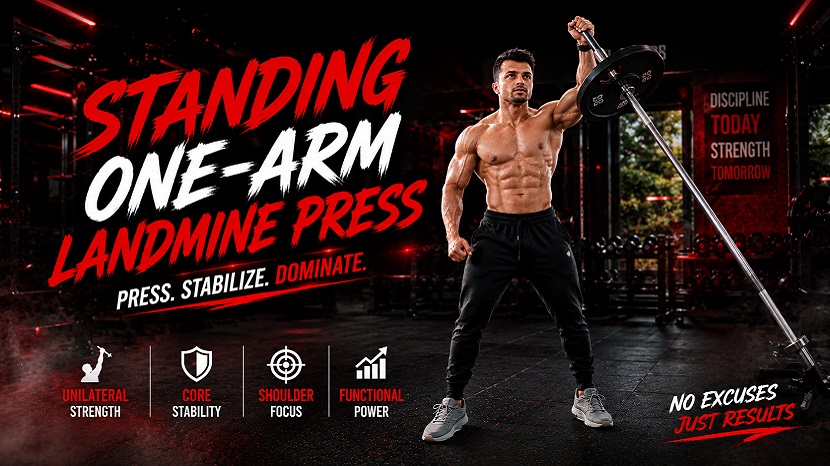
- Plyometric Push-Ups, Medicine Ball Chest Passes, Stability Ball Push-Ups, Standing Cable Press, Landmine Press.
Warm-up: 5-10 min light cardio + dynamic plyo drills and mobility work.
How to do it: Incorporate explosive and unstable movements. Focus on power, speed, and core engagement.
Common mistakes to avoid: Poor landing mechanics, neglecting core stability, and overtraining explosiveness.
Benefits: Improves athletic performance, shoulder stability, and everyday pushing strength.
Tips: Emphasize speed and control; recover fully between explosive sets.
Weekly Schedule: 1x per week, ideally mid-week for athletes.
Sample Full Chest Day Routine (Intermediate)
- Warm-up: 5 min light cardio + push-up variations
- Incline Barbell Press: 4x6–8
- Flat DB Press: 4x8–10
- Weighted Dips: 3x8–10
- Cable Flyes: 3x12
- Pec Deck: 3x15
Train chest 1–2x per week with 48–72 hours recovery.
Common Mistakes to Avoid (Overall)
- Flaring elbows too wide (shoulder risk).
- Bouncing the bar off chest.
- Neglecting upper/lower balance.
- Skipping warm-ups or mobility work.
Final Tips for Success
Progressive overload (add weight/reps weekly), track workouts, eat in a calorie surplus with 1.6–2.2g protein/kg bodyweight, and sleep well. Results take consistency – expect visible changes in 4–8 weeks.
FAQ (Frequently Asked Questions)
1. How often should I train my chest?
Answer: For most people, training chest 1–2 times per week with at least 48–72 hours of recovery between sessions delivers the best results and prevents overtraining.
2. What is the best rep range for chest muscle growth?
Answer: The sweet spot for building muscle (hypertrophy) is 8–12 repetitions per set. Use 4–6 reps for pure strength and 12–15+ reps for endurance and pump.
3. Is the bench press enough to build a bigger chest?
Answer: The bench press is excellent for overall mass, but not enough alone. For complete chest development include incline presses, dips, flyes, and cable crossovers.
4. Can women perform these chest workouts?
Answer: Yes! These workouts are highly effective and safe for women. They build upper-body strength, improve posture, and enhance overall physique without adding bulk.
5. How long does it take to see results from chest workouts?
Answer: With consistent training, proper nutrition, and recovery, most people notice visible improvements in chest size and strength within 4–8 weeks.
6. Are these workouts suitable for beginners?
Answer: Absolutely. Beginners should start with bodyweight exercises, machines, and lighter dumbbell movements. Focus on mastering proper form before progressing to heavy lifts.
7. Can I build a good chest with only bodyweight exercises?
Answer: Yes. Push-up variations, dips, and advanced bodyweight movements can build impressive chest muscle, especially for home workouts or travel routines.
8. How do I target my upper chest more effectively?
Answer: Use incline presses at 15–45° angles and low-to-high cable flyes. Focus on squeezing the upper pecs at the top of each rep for maximum activation.