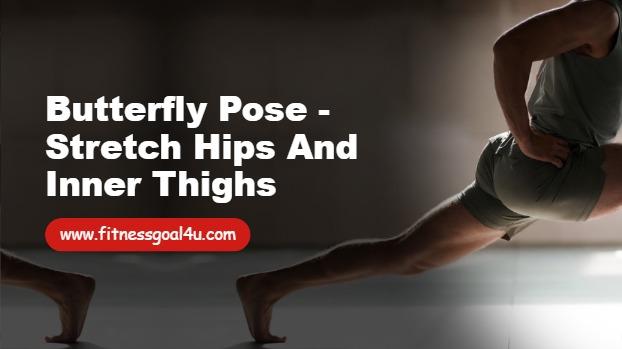
The butterfly pose, also known as bound angle pose or baddha konasana in yoga, is a seated stretch where you bring the soles of your feet together and let your knees fall outward. It resembles the flapping wings of a butterfly, hence the name.
This classic yoga posture primarily targets the inner thighs, groins, and hips. It is a gentle, restorative stretch suitable for all levels, often used in yoga classes, cool-downs, or daily mobility routines.
No equipment is needed—just a comfortable spot on the floor. Many people practice it to open tight hips from sitting, running, or strength training.
It promotes relaxation and can be held for longer periods, making it great for beginners or anyone seeking a calming stretch.
How to Perform the Butterfly Pose: Step-by-Step Technique
Focus on gentle pressure and deep breathing for the best results. Here's the standard version:
- Sit on the floor with your legs extended in front of you.
- Bend your knees and bring the soles of your feet together, letting your knees drop out to the sides.
- Hold your feet or ankles with your hands—grasp your big toes for a deeper variation.
- Sit tall, lengthening your spine, and engage your core lightly.
- Gently press your knees toward the floor using your thigh muscles, not force.
- Optionally, hinge forward from your hips for a deeper stretch, keeping your back straight.
- Breathe deeply and hold the position.
Avoid bouncing your knees—use steady, relaxed pressure. If your hips are tight, sit on a folded blanket or block for elevation.
For a restorative version, recline back or use props under your knees for support.
Why Do the Butterfly Pose: Key Benefits
This accessible pose provides numerous advantages for your lower body and well-being:
- Opens tight hips and groins: Stretches the inner thighs (adductors) and hip rotators deeply.
- Improves hip mobility: Increases range of motion for better movement in daily life or sports.
- Relieves lower back tension: Gentle opening can ease discomfort from tight hips.
- Stimulates digestion and circulation: Traditional yoga benefits include better blood flow to the pelvic area.
- Promotes relaxation: Forward fold variation calms the mind and reduces stress.
- Safe during pregnancy: Modified version supports hip opening (consult a professional).
- Enhances posture: Encourages upright sitting and spinal length.
Regular practice leads to more flexible hips, reduced stiffness, and a greater sense of calm.
Recommended Sets and Repetitions
Butterfly pose is a static stretch, so focus on hold duration rather than reps.
- Beginners: 2-3 holds of 30-60 seconds, 1-2 sets.
- Intermediate: 3 holds of 1-3 minutes, adding gentle forward fold.
- Advanced: 3-5 minutes per hold, or incorporate flapping knees gently for dynamic release.
- Daily option: Hold for 2-5 minutes as part of a relaxation routine.
Practice 4-7 times per week, ideally after workouts or in the evening. Breathe deeply throughout. Progress by increasing hold time or deepening the forward hinge gradually.
FAQ (Frequently Asked Questions)
1. Is the butterfly pose suitable for beginners?
Answer: Yes, it is very beginner-friendly. Use props for support and avoid forcing your knees down—progress gently.
2. Can butterfly pose help with tight inner thighs?
Answer: Absolutely. It is one of the best stretches for lengthening the adductor muscles along the inner thighs.
3. How often should I do the butterfly pose?
Answer: 4-7 times per week is ideal. It is gentle and can be done daily for maintenance and relaxation.
4. Should I bounce my knees in butterfly pose?
Answer: No, avoid bouncing as it can strain tissues. Use steady pressure and breathing for a safe, effective stretch.
5. What if my knees are very high off the ground?
Answer: This is normal with tight hips. Sit on a blanket, place blocks under your knees, or reduce hold time—flexibility improves with consistency.
6. Is butterfly pose good for lower back pain?
Answer: Often yes, by opening hips and reducing pelvic tightness. Stop if it causes pain and seek professional advice.