Contents Overview
- Introduction to Barbell Biceps Curls
- Muscles Worked in Barbell Biceps Curls
- Key Benefits of Barbell Biceps Curls
- Step-by-Step Guide to Proper Form
- Common Mistakes and How to Fix Them
- Variations of Barbell Biceps Curls
- Comparison: Barbell vs Dumbbell Biceps Curls
- Incorporating Barbell Biceps Curls into Your Workout Routine
- Advanced Tips for Maximum Gains
- Safety Precautions and Injury Prevention
- Conclusion: Achieve Your Arm Goals
- Frequently Asked Questions
Introduction to Barbell Biceps Curls
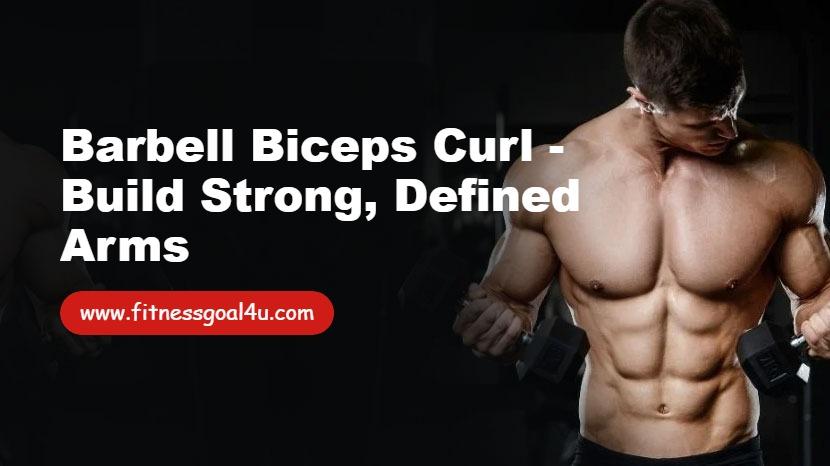
Building strong, defined arms starts with effective exercises like the barbell biceps curl. This classic move targets your upper arms, helping you gain muscle size and strength. Many fitness experts recommend it as a staple in arm workouts due to its simplicity and results.
Imagine lifting a barbell and feeling your biceps contract with each rep. That's the power of this exercise. It has been popular since the early bodybuilding days, used by icons to sculpt impressive physiques. Today, it's still a top choice for beginners and pros alike.
Why focus on biceps? Strong arms improve daily tasks, sports performance, and overall upper body power. Plus, they boost confidence with a toned appearance. In this guide, we'll cover everything from muscles worked to advanced tips, using lists, tables, and comparisons for clear understanding.
Research shows consistent resistance training like curls leads to muscle growth.
Get ready to transform your arms. Let's dive into the details.
Muscles Worked in Barbell Biceps Curls
The barbell biceps curl primarily engages your upper arm muscles. Understanding this helps you focus during workouts.
Here's a breakdown in a simple list:
- Biceps Brachii: The main muscle, with two heads (long and short) that flex the elbow.
7 - Brachialis: Under the biceps, adds arm thickness and assists in flexion.
2 - Brachioradialis: In the forearm, helps with gripping and stabilizing.
0 - Anterior Deltoids: Front shoulders, provide stability.
0 - Core Muscles: Abs and back, maintain posture and prevent swinging.
0
This exercise is mostly isolation but recruits stabilizers for better overall engagement. Compare it to compound moves like rows, which work more muscles but less focused on biceps.
Table of Muscle Activation Comparison:
| Muscle | Primary Role | Activation Level |
|---|---|---|
| Biceps Brachii | Elbow Flexion | High |
| Brachialis | Arm Thickness | Medium-High |
| Brachioradialis | Grip Support | Medium |
| Anterior Deltoids | Stability | Low-Medium |
| Core | Balance | Low |
Knowing these helps tailor your training for balanced development.
Key Benefits of Barbell Biceps Curls
Incorporating barbell biceps curls offers numerous advantages. Here's a bullet list of key benefits:
- Increased Muscle Size: Promotes hypertrophy through heavy loads.
1 - Improved Grip Strength: Strengthens forearms for better holds.
1 - Enhanced Shoulder Stability: Engages deltoids to reduce injury risk.
5 - Balanced Arm Development: Equal weight on both sides prevents imbalances.
4 - Better Functional Strength: Aids in pulling motions for daily activities.
0 - Boosted Confidence: Visible results motivate continued training.
5
Compared to bodyweight exercises, barbell curls allow progressive overload for faster gains. For example, unlike push-ups that target chest, curls focus solely on arms for targeted growth.
Benefits Comparison Table:
| Benefit | Barbell Curls | Other Arm Exercises (e.g., Push-ups) |
|---|---|---|
| Muscle Focus | High on Biceps | Moderate on Triceps/Chest |
| Load Capacity | Heavy Weights Possible | Bodyweight Limited |
| Imbalance Correction | Good with Bar | Variable |
| Functional Carryover | Pulling Strength | Pushing Strength |
These perks make it a must-try for arm building.
Step-by-Step Guide to Proper Form
Mastering proper form is crucial to avoid injury and maximize results. Follow this numbered list:
1. Stand with feet shoulder-width apart, knees slightly bent for stability.
2. Grip the barbell underhand, hands slightly wider than shoulders.
3. Keep elbows close to sides, core engaged, back straight.
4. Curl the bar toward chest, squeezing biceps at top.
5. Lower slowly, controlling the weight to starting position.
6. Repeat for 8-12 reps, 3-4 sets.
Breath out on lift, in on lower. Use a mirror to check form.
Compared to improper form, this method ensures full muscle activation without strain.
Common Mistakes and How to Fix Them
Avoid these common mistakes to prevent setbacks. Here's a list with fixes:
- Using Momentum: Swinging body reduces biceps work. Fix: Keep body still, use lighter weight.
3 - Short Range of Motion: Not fully extending or curling. Fix: Go full ROM for better activation.
2 - Arching Back: Strains spine. Fix: Engage core, stand neutral.
9 - Elbows Flaring: Shifts focus. Fix: Tuck elbows in.
7 - Fast Reps: Misses tension. Fix: Slow controlled movements.
8
Mistakes vs Correct Form Table:
| Mistake | Impact | Fix |
|---|---|---|
| Momentum | Less Biceps Work | Stable Body |
| Short ROM | Incomplete Growth | Full Extension |
| Arching Back | Back Injury | Core Brace |
| Flaring Elbows | Shoulder Strain | Elbows Close |
| Fast Reps | Reduced Tension | Slow Tempo |
Fixing these boosts effectiveness.
Variations of Barbell Biceps Curls
Keep workouts fresh with variations. List of popular ones:
- EZ Bar Curl: Reduces wrist strain.
6 - Wide-Grip Curl: Targets inner biceps.
1 - Close-Grip Curl: Focuses outer biceps.
1 - Reverse Curl: Hits forearms more.
6 - Preacher Curl: Isolates biceps.
6 - Drag Curl: Emphasizes long head.
6 - 21s: Intensity with partial reps.
6
Variations Comparison Table:
| Variation | Target Area | Difficulty | Equipment Needed |
|---|---|---|---|
| EZ Bar | Biceps, Less Wrist | Beginner | EZ Bar |
| Wide-Grip | Inner Biceps | Intermediate | Barbell |
| Close-Grip | Outer Biceps | Intermediate | Barbell |
| Reverse | Forearms | Advanced | Barbell |
| Preacher | Isolated Biceps | Intermediate | Bench |
Try these to hit different angles.
Comparison: Barbell vs Dumbbell Biceps Curls
Choosing between barbell and dumbbell curls? Here's a detailed comparison.
Barbell allows heavier loads for mass, while dumbbells offer more range of motion and fix imbalances.
Comparison Table:
| Aspect | Barbell Curls | Dumbbell Curls |
|---|---|---|
| Load Capacity | High (Heavier Weights) | Medium (Individual Arms) |
| Imbalance Correction | Low (Fixed Bar) | High (Independent) |
| Range of Motion | Standard | Greater (Rotation Possible) |
| Muscle Overload | Excellent for Mass | Good for Symmetry |
| Equipment | Barbell | Dumbbells |
| Best For | Strength Building | Balanced Development |
Include both for optimal results.
Incorporating Barbell Biceps Curls into Your Workout Routine
Add curls to your routine for balanced training. Here's how:
Sample Routines List:
- Beginner Routine: 3 sets of 10 reps, 2x/week after back day.
- Intermediate: 4 sets of 8-12, 3x/week, superset with triceps.
- Advanced: 5 sets with drops, 3-4x/week in arm split.
23
Routine Comparison Table:
| Level | Sets/Reps | Frequency | Integration |
|---|---|---|---|
| Beginner | 3x10 | 2x/Week | Full Body |
| Intermediate | 4x8-12 | 3x/Week | Upper/Lower Split |
| Advanced | 5x Varied | 3-4x/Week | Arm Focus Day |
Track progress and adjust.
Advanced Tips for Maximum Gains
Elevate your curls with these advanced tips:
- Progressive Overload: Increase weight gradually.
17 - Drop Sets: Reduce weight mid-set for more reps.
18 - Slow Eccentrics: 3-4 seconds lowering.
16 - Mind-Muscle Connection: Focus on biceps squeeze.
18 - Tempo Variations: Pause at top.
21
Tips Comparison: Basic vs Advanced
| Tip Type | Basic | Advanced |
|---|---|---|
| Load | Fixed Weight | Progressive |
| Rep Style | Standard | Slow/ Pause |
| Intensity | Regular Sets | Drop Sets |
These push growth further.
Safety Precautions and Injury Prevention
Stay safe with these precautions:
- Warm-Up: Light cardio and stretches.
20 - Proper Form: Always check posture.
9 - Start Light: Build weight slowly.
20 - Listen to Body: Stop if pain occurs.
16 - Rest Days: Allow recovery.
19
Safety vs Risk Table:
| Precaution | Risk Avoided |
|---|---|
| Warm-Up | Muscle Tears |
| Form Check | Back Strain |
| Light Start | Overload Injury |
| Body Listen | Chronic Pain |
| Rest | Overtraining |
Prioritize safety for long-term success.
Conclusion: Achieve Your Arm Goals
Barbell biceps curls build strong arms when done right. Use the lists, tables, and tips here for success. Stay consistent, safe, and watch your arms transform.
FAQ ( Frequently Asked Questions)
1. How often should I do barbell biceps curls?
Answer: Aim for 2 to 3 times a week, with rest days in between to allow your muscles to recover and grow.
2. What weight should I start with for barbell biceps curls?
Answer: Begin with the empty bar or light plates, focusing on proper form before increasing the weight.
3. Can beginners do barbell biceps curls?
Answer: Yes, beginners can do this exercise with proper guidance and starting with light weights to build technique and strength gradually.
4. Do barbell curls work both arms equally?
Answer: Yes, using a barbell ensures both arms lift the same weight, promoting balanced development and preventing one side from dominating.
5. What’s better: barbell or dumbbell curls?
Answer: Both are effective; barbell curls allow for heavier loads to build overall strength, while dumbbells offer more range of motion and can correct imbalances.
6. How many reps should I do for muscle growth with barbell biceps curls?
Answer: For muscle growth, aim for 8 to 12 repetitions per set, as this range promotes hypertrophy through moderate weight and controlled movements.
7. Can I do barbell biceps curls every day?
Answer: No, it's not recommended to do them every day; muscles need recovery time, so space sessions with at least one day off to prevent overtraining and injury.
8. Does grip width matter in barbell biceps curls?
Answer: Yes, grip width affects which part of the biceps is emphasized; a wider grip targets the inner head, while a closer grip focuses on the outer head.
9. What if I feel wrist pain during barbell biceps curls?
Answer: If you feel wrist pain, try using an EZ bar for a more natural grip angle, or check your form to ensure wrists stay neutral; consult a professional if pain persists.
10. Are barbell biceps curls enough for building big arms?
Answer: While effective, they should be combined with other exercises like triceps work, variations, and a balanced diet for comprehensive arm development and size.
11. What muscles are primarily targeted by barbell biceps curls?
Answer: The样子 muscle targeted is the biceps brachii, with secondary involvement from the brachialis, forearms, shoulders, and core for stability.
12. How can I avoid common mistakes in barbell biceps curls?
Answer: Avoid using momentum by keeping your body stable, control the weight throughout the movement, and maintain a full range of motion without overarching your back.
13. What are some variations of barbell biceps curls?
Answer: Variations include EZ bar curls, wide-grip curls, close-grip curls, drag curls, preacher curls, reverse curls, and seated curls to target different aspects of the arms.
14. How do I incorporate barbell biceps curls into my routine?
Answer: Add them to arm days or full-body routines 2-3 times a week, pairing with triceps exercises, and adjust reps based on goals like strength or hypertrophy.
15. What advanced tips can maximize results from barbell biceps curls?
Answer: Use progressive overload, focus on mind-muscle connection, incorporate drop sets, slow eccentrics, and ensure proper nutrition and rest for optimal growth.
16. What safety precautions should I take with barbell biceps curls?
Answer: Warm up properly, use correct form, start with light weights, listen to your body for pain, and rest adequately to prevent injuries like strains or overuse.