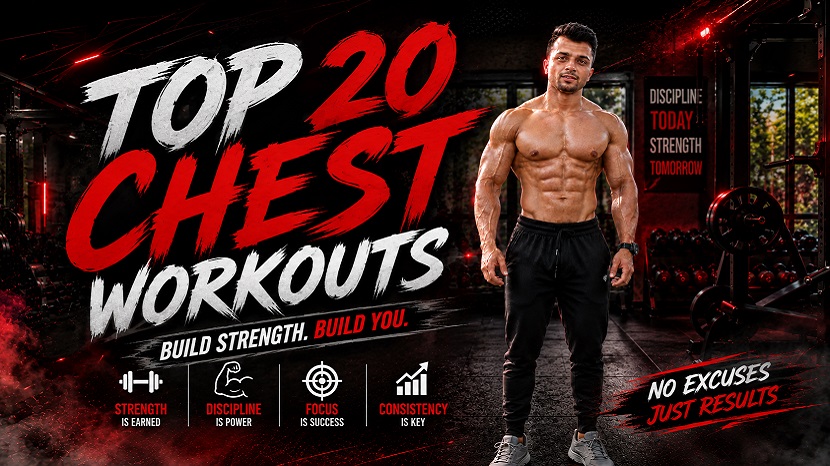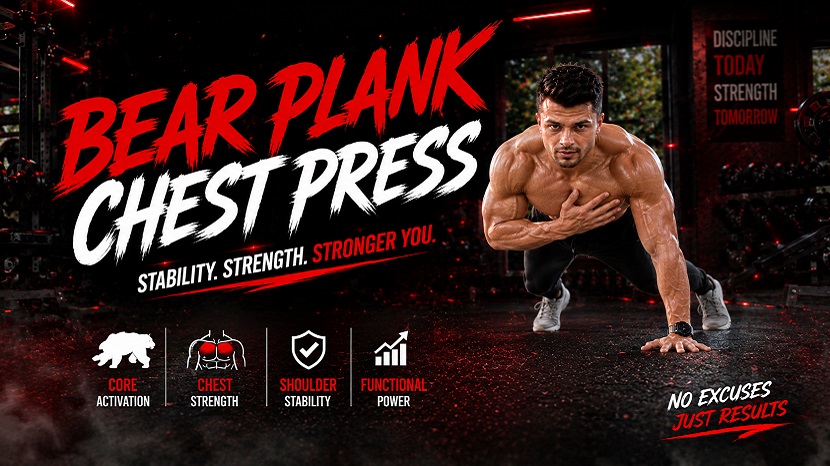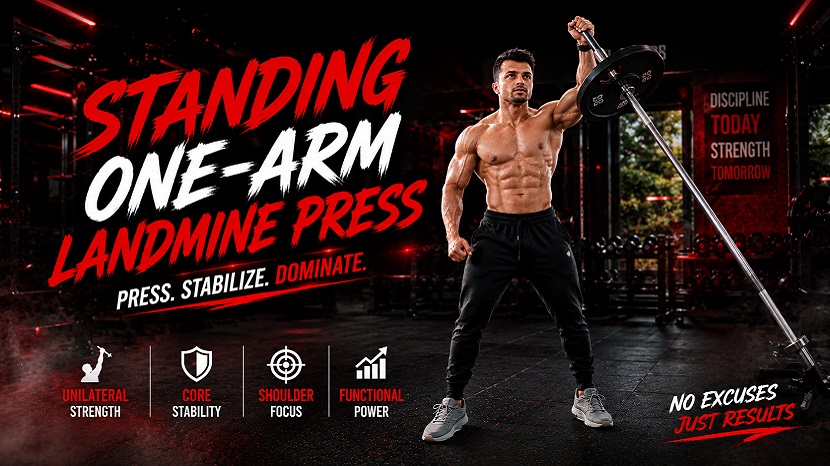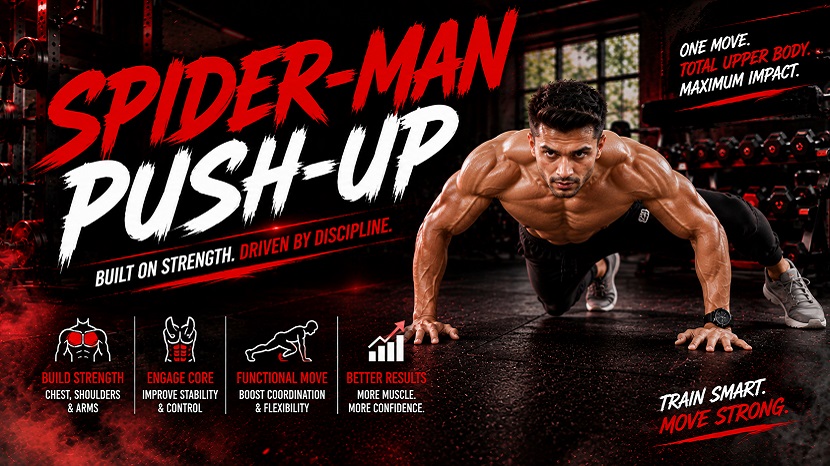
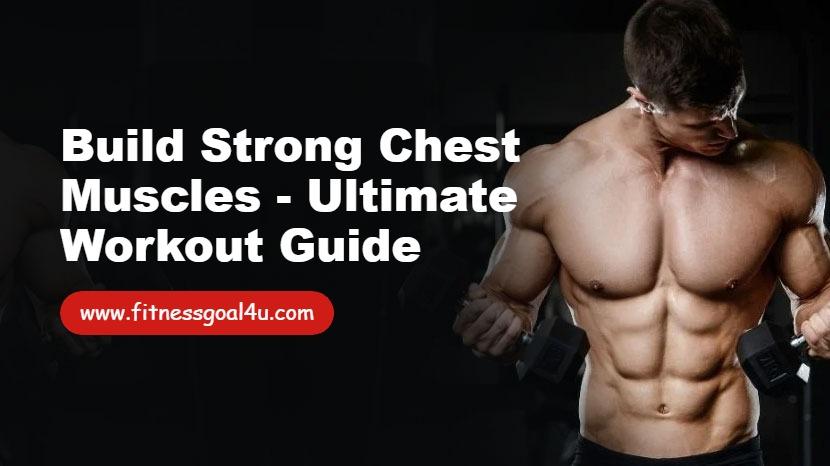
Hey there! If you're looking to build a stronger, more defined chest, you're in the right place. A solid chest workout isn't just about looking good in a t-shirt—it's about boosting your overall strength, improving posture, and making everyday tasks like pushing or lifting feel easier. Your chest muscles (mainly the pectoralis major and minor) are key players in upper body power, and training them properly can transform your physique and confidence.
In this easy-to-follow guide, we'll break down everything you need: from understanding your chest muscles, to the best chest exercises, benefits, nutrition tips, common mistakes, and a simple workout plan. Whether you're a beginner or have some experience, these tips will help you get real results safely. Let's dive in!
Contents Overview
- What Are the Chest Muscles?
- Why Train Your Chest Muscles?
- Top Tips for Defined Chest Muscles
- Nutrition for Chest Muscle Definition
- Common Chest Workout Mistakes to Avoid
- Best Chest Exercises and a Simple Workout Plan
- Final Thoughts
- FAQ (Frequently Asked Questions)
What Are the Chest Muscles? A Simple Breakdown
Your chest isn't just one big muscle—it's a group working together for pushing movements, better breathing, and shoulder stability. Here's a quick look at the main ones:
- Pectoralis Major – The star of the show! This large, fan-shaped muscle covers most of your chest. It helps with pushing (like bench presses), hugging, and arm rotation. It's what gives your chest that broad, defined look.
- Pectoralis Minor – Smaller and hidden under the major, it stabilizes your shoulders and aids in deep breathing.
- Serratus Anterior – On the sides near your ribs, it helps protract your shoulder blades (think punching or reaching forward).
- Subclavius – A tiny one under your collarbone that keeps things steady during arm movements.
Training these chest muscles together creates balance and power.
Why Train Your Chest Muscles? The Real Benefits
Building strong chest muscles through regular chest workouts goes beyond aesthetics. Here's why it's worth it:
- Better Looks and Confidence – A developed chest makes your upper body appear broader and more athletic. Clothes fit better, and you'll feel more confident.
- Improved Posture – Strong chest muscles pull your shoulders back, countering slouching from desk work or phones.
- Everyday Strength – Easier pushing, lifting, carrying—plus better performance in sports like swimming, cricket, or football.
- Shoulder and Arm Support – Balanced chest muscles reduce injury risk and enhance overall upper body workouts.
Top Tips for Defined Chest Muscles
Want that sharp, sculpted chest? Consistency is key, but these smart tips will speed things up:
- Pick Effective Chest Exercises – Focus on compound moves like bench press, push-ups, and flyes.
- Prioritize Proper Form – Slow, controlled reps build muscle better and prevent injuries.
- Train 2-3 Times a Week – Allow rest days—muscles grow during recovery!
- Fuel with Protein – Eggs, dairy, lentils, nuts for repair and growth.
- Stay Hydrated – Water keeps muscles full and recovery fast.
- Be Patient – Results take time, but sticking with it pays off big.
Nutrition for Chest Muscle Definition
Exercise builds the muscle, but diet reveals it. To make your chest muscles pop, focus on:
- Protein Power – Aim for eggs, milk, yogurt, paneer, dals, beans, and nuts in every meal.
- Smart Carbs – Rice, roti, oats, fruits, and veggies for workout energy.
- Healthy Fats – Nuts, seeds, peanut butter, and ghee for hormone balance.
- Lots of Veggies and Fruits – For vitamins, recovery, and overall health.
- Hydration – Drink water all day to keep muscles looking firm.
- Cut Junk – Limit sugary snacks and fried foods to reduce body fat covering your chest.
Common Chest Workout Mistakes to Avoid
We've all made these—here's how to skip them for better gains:
- Lifting Too Heavy – Ego lifting leads to bad form and injuries. Start lighter for control.
- Poor Form – Rushing reps shifts work away from your chest.
- No Warm-Up – Always start with light cardio or dynamic stretches.
- Overtraining – Don't hit chest daily—rest is crucial for growth.
- Ignoring Balance – Train back and shoulders too for posture and symmetry.
- Bad Breathing – Exhale on the push, inhale on the lower.
Best Chest Exercises and a Simple Workout Plan
Here are proven chest exercises that target all areas. Start with bodyweight if you're new!
Beginner-Friendly Chest Workout (2-3x/week):
- Warm-Up – 5-10 mins arm circles, jumping jacks, or light push-ups.
- Push-Ups – 3 sets of 8-12 reps (on knees if needed). Great for overall chest.
- Dumbbell/Barbell Bench Press – 3-4 sets of 8-12 reps. Flat for middle chest.
- Incline Push-Ups or Dumbbell Press – 3 sets of 10 reps (targets upper chest).
- Chest Flyes (Dumbbell or Cable) – 3 sets of 10-12 reps. For that stretched, defined feel.
- Cool Down – Stretch your chest and shoulders.
Focus on feeling the squeeze in your chest muscles during each rep.
Final Thoughts
Building impressive chest muscles with effective chest workouts and chest exercises is totally achievable with consistency, good form, nutrition, and rest. Start slow, track progress, and enjoy the journey—you'll see stronger posture, more power, and that defined look sooner than you think. Stay patient, keep pushing, and you've got this! If you have questions, feel free to ask. Let's build that chest!
FAQ (Frequently Asked Questions)
1. How often should I train my chest for muscle growth?
Answer: For most people, training your chest 2-3 times per week is ideal. This allows enough stimulation for growth while giving your muscles time to recover. Beginners can start with 1-2 sessions, while more advanced lifters may benefit from 2 focused chest days. Always prioritize recovery and progressive overload.
2. What are the best chest exercises for beginners?
Answer: Start with bodyweight moves like push-ups (or knee push-ups if needed), then progress to dumbbell bench press, incline push-ups, and chest flyes. These build a strong foundation without overwhelming you. Focus on proper form before adding heavy weights.
3. Can I build a strong chest at home without equipment?
Answer: Yes! Push-ups and their variations (wide, diamond, incline) are excellent for building chest muscles at home. Add resistance with a backpack or progress to advanced moves like archer push-ups. Consistency and proper form will deliver great results.
4. Why is proper form so important in chest workouts?
Answer: Good form ensures your chest muscles do the work, not your shoulders or triceps. It maximizes muscle growth, prevents injuries (like shoulder strain), and helps you lift heavier over time. Always control the movement and feel the squeeze in your chest.
5. How important is nutrition for chest muscle definition?
Answer: Extremely important! Exercise builds the muscle, but a protein-rich diet (eggs, dairy, lentils, nuts) repairs and grows it. To reveal definition, maintain a slight calorie deficit or surplus depending on your goal, while staying hydrated and limiting junk food.
6. How long does it take to see results from chest workouts?
Answer: Most people notice improved strength in 4-6 weeks and visible changes in 8-12 weeks with consistent training, proper nutrition, and rest. Beginners often see faster "newbie gains." Be patient—results compound over time!
7. Should I train chest every day?
Answer: No—muscles grow during recovery, not while training. Training chest daily leads to overtraining, stalled progress, and injury risk. Stick to 2-3 times per week with rest days in between for optimal growth.
8. Do I need to train back muscles along with chest?
Answer: Absolutely! Training your back (rows, pull-ups) balances your chest work, improves posture, prevents rounded shoulders, and reduces injury risk. A strong back supports heavier chest presses too.
9. What's the role of warm-up in chest workouts?
Answer: A proper warm-up (arm circles, light push-ups) increases blood flow, prepares joints, and reduces injury risk. Skipping it can lead to strains—always spend 5-10 minutes warming up before heavy lifts.
10. Can women benefit from chest workouts too?
Answer: Yes! Chest exercises strengthen the upper body, improve posture, boost metabolism, and enhance overall fitness for everyone. They won't make women "bulky" unless that's the specific goal with intense training and diet.